Fuel price hike (May 19–25, 2026): delivery rider budget playbook for Metro Manila
Fuel prices rise again starting May 19, 2026: gasoline up ₱1.21/L and diesel up ₱2.82/L, while kerosene rolls back around ₱2.21/L. Here’s a rider-first budget playbook for Metro Manila—and a quick reality check on why e-bike charging cost tends to feel steadier than weekly pump swings.
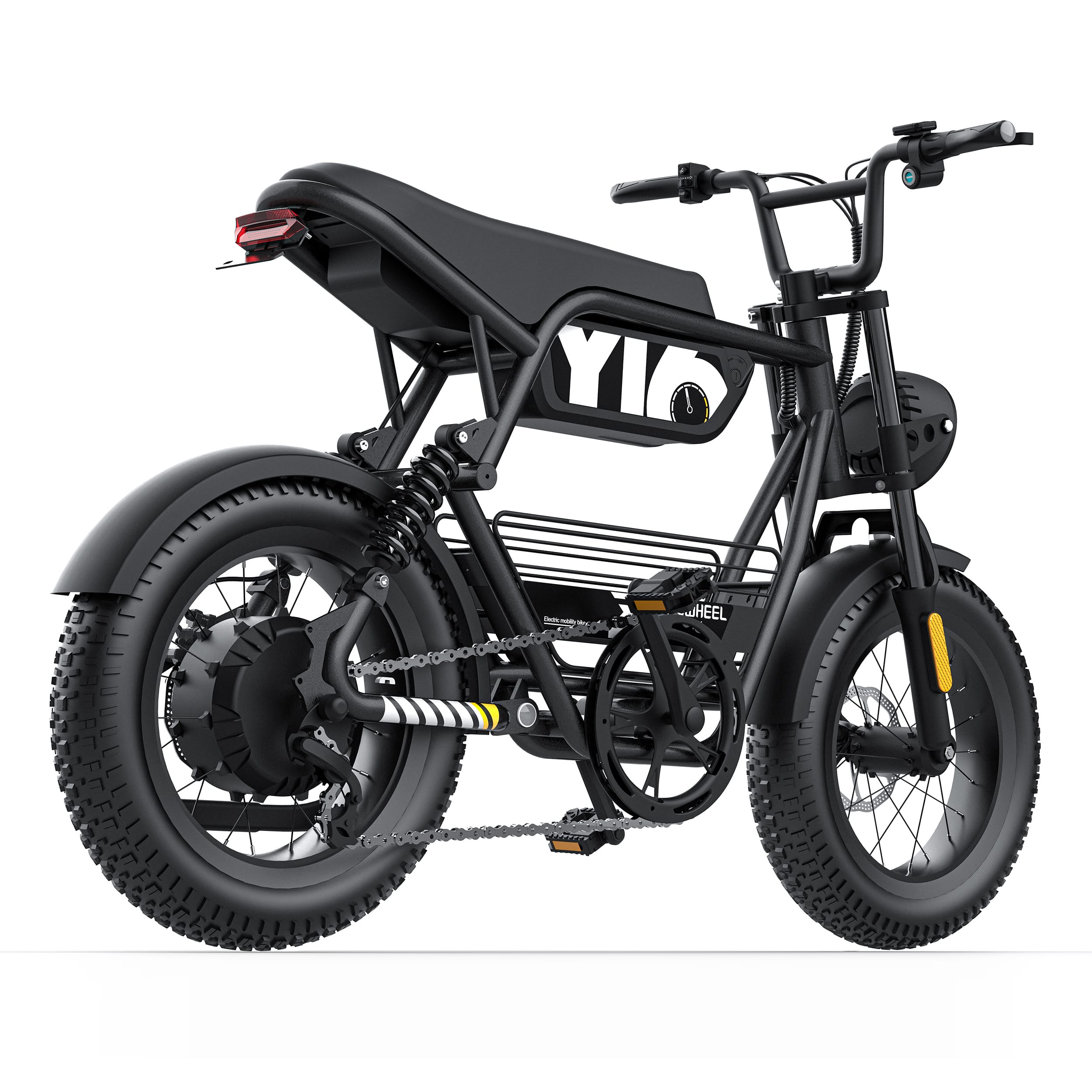
May 19–25 fuel update: gasoline +₱1.21/L, diesel +₱2.82/L
Fuel retailers announced another round of pump price increases effective Tuesday, May 19, 2026. The widely reported headline numbers: gasoline is up ₱1.21 per liter and diesel is up ₱2.82 per liter. Kerosene sees a rollback of about ₱2.21 per liter (actual movements can vary by oil company).
For Metro Manila delivery riders, the right mental model is not “today’s pump price.” It is “weekly volatility.” When prices move every Tuesday, the winning move is to run a simple weekly operating-cost routine instead of guessing whether the week will be “good” or “bad.”
- Effective: Tuesday, May 19, 2026
- Gasoline: +₱1.21/L (reported maximum movement)
- Diesel: +₱2.82/L (reported maximum movement)
- Kerosene: rollback around ₱2.21/L (varies by company)
Rider budget math: add the delta to your daily break-even
Most riders feel fuel hikes as “my money disappears faster,” but the fix is straightforward: make the weekly change visible. Start with your typical liters per day (or per shift). Multiply that by the per-liter increase, then treat it as a real daily cost you must earn back.
Example: if you normally burn ~4 liters/day and gasoline rises ₱1.21/L, that is about ₱5/day extra. Diesel riders at the same consumption level feel a much bigger change. The absolute peso amount can look small day-to-day, but over a full month of weekly swings, the pattern becomes a real net-earnings pressure.
- Step 1: estimate liters/day for your usual shift
- Step 2: delta cost/day = liters/day × price change
- Step 3: set a daily minimum net target (after fuel + food + load)
3 rider moves when fuel rises (that do not require “more hours”)
When pump prices move up, many riders try to “work longer.” That often backfires because fatigue reduces speed and increases mistakes. A better operator approach is to reduce wasted distance and protect high-density time blocks.
These three moves are simple and repeatable. They work whether you ride a motorcycle, an e-bike, or you are comparing rental versus buying.
- Stay in dense zones longer (fewer long empty runs)
- Reduce dead kilometers (plan pickups and drop-offs with tighter loops)
- Avoid low-margin long trips during peak traffic windows
Why e-bike operating cost can feel steadier than weekly pump swings
Fuel changes are weekly and highly visible. Charging cost changes, but it typically moves slower and is easier to forecast. For riders, that predictability matters: stable operating cost helps you plan your week without guessing how much the next Tuesday adjustment will take.
As a small example of that slower movement: Meralco reported a slight decrease in its May 2026 household electricity rate (about ₱0.0151/kWh). That does not “cancel” fuel hikes, but it reinforces the point that electricity billing tends to move in smaller steps than weekly pump swings.
If you are comparing a rental-first path versus buying, include downtime risk in your math. A cheap bike that keeps breaking is not cheap. A rental plan that includes maintenance support can reduce surprise repair hits—especially when earnings are already pressured by fuel volatility.
Next step: if you want a predictable weekly cost, test rental first
If fuel volatility is stressing your weekly net earnings, consider a rental-first path while you validate route fit and routine. The goal is not hype—it is stability. Riders win when costs are predictable and support is real.
Use the contact page to ask about availability and the next test ride step. If you are deciding between weekly rental and rent-to-own, start with the plan that lets you learn fast without locking yourself into a big commitment too early.
FAQ
When does the May 19 fuel price adjustment take effect?
The reported adjustments take effect on Tuesday, May 19, 2026. Actual movements can vary by oil company.
Why do riders feel fuel hikes even when the peso change looks small?
Because net earnings are margin-based. Fuel is paid daily, while bookings are variable. Weekly volatility also stacks across the month.
What is the simplest rider budgeting method for weekly fuel swings?
Estimate liters per day, multiply by the per-liter change, then treat the result as an extra daily cost you must earn back.
What pages should I read if I am comparing e-bike options?
Start with the delivery rider rental page, then compare rent-to-own and maintenance-cost guidance before you decide.
Related rider pages
Use these core pages to compare rental, rent-to-own, service area, and booking details after reading this guide.