PAGASA localized thunderstorms (May 21–22, 2026): delivery rider ops checklist for Metro Manila
PAGASA’s weekly outlook for May 21–22, 2026 keeps Metro Manila in a localized-thunderstorm pattern, and PAGASA is monitoring cloud clusters that may develop into a low pressure area. For delivery riders, the risk is short-notice heavy rain and sudden flooding. Use this ops checklist to protect your e-bike, keep earnings stable, and avoid preventable damage.
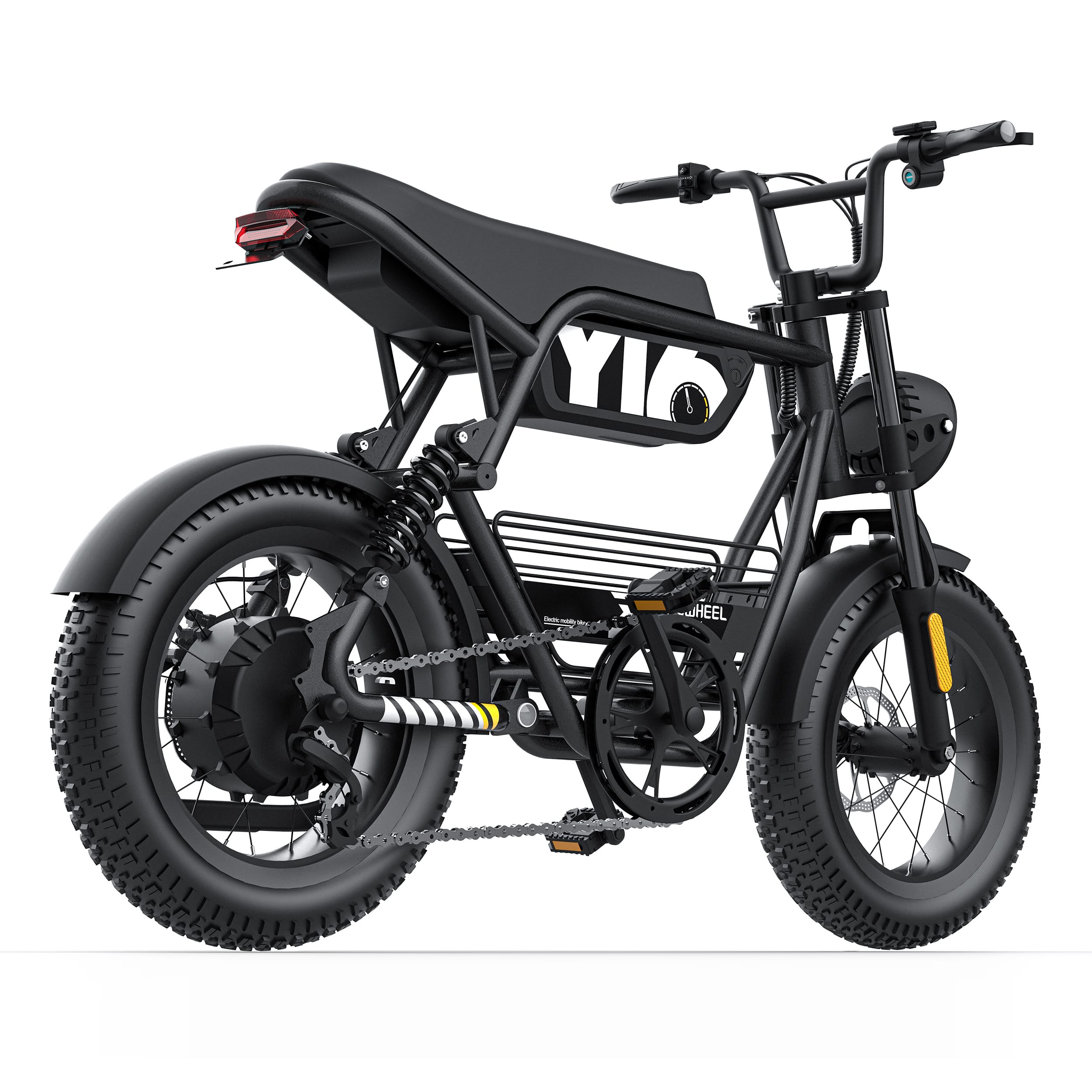
What PAGASA is signaling for May 21–22 (and why riders should care)
PAGASA’s weekly weather outlook covering May 15–22, 2026 keeps Metro Manila in a localized rainshowers and thunderstorm pattern for May 19–20, and notes that a low pressure area (LPA) may develop or enter east of Mindanao on May 21–22 (even if it may not directly affect any part of the country). In real life, that translates into short-notice storms and sudden pockets of heavy rain — exactly the type of disruption that hits rider earnings.
PAGASA is also monitoring cloud clusters that may or may not develop into an LPA. You do not need a storm to make a shift unprofitable; you only need one hour of heavy rain in the wrong zone. The ops goal is to reduce “surprise downtime,” not to predict weather perfectly.
- Expect: localized rainshowers / thunderstorms (fast-onset, fast-off)
- Watch for: thunderstorm advisories in Metro Manila cities
- Rider risk: sudden flooding in low spots, underpasses, and poorly drained streets
The 5-minute pre-shift checklist that prevents the expensive mistakes
Most rain losses are not about getting wet. They are about damage and downtime: soaked connectors, ruined chargers, flooded motor housings, slippery brakes, and a phone that dies mid-shift. The fix is simple: do a short checklist before you ride out.
Treat this like putting on a helmet. It is not optional if you want stable net earnings during thunderstorm weeks.
- Phone + power: put your phone in a zip bag; pack a power bank; keep your charging cable dry
- Bike safety: test brakes at low speed; check lights; confirm tire tread is not bald
- Water points: keep charging ports and battery connectors covered and dry
- Route plan: pick 1–2 safer fallback routes that avoid known low-lying flood spots
- Cashflow: set a stop-loss rule (example: pause when rain intensity makes safety or bookings unpredictable)
During heavy rain: stay earning-focused, not panic-focused
The mistake riders make is pushing through because they do not want to “lose time.” In thunderstorms, one bad decision can cost more than an hour of waiting. The correct operator move is to protect the asset and keep the next shift possible.
If you must keep moving, stay in higher-ground corridors, keep speed low, and prioritize visibility. The goal is controlled uptime, not maximum bookings in unsafe conditions.
- Do not cross flood water you cannot judge — depth hides potholes and can reach connectors fast
- Avoid underpasses and low spots when thunderstorms hit (they flood first and drain last)
- Keep braking distances longer and avoid sudden turns on painted lines and metal plates
- If lightning is near: stop in a safe covered area and wait it out (do not shelter under trees)
After the rain: 10 minutes of recovery saves your next day
Flood and rain damage is often delayed. A bike can feel “okay” immediately after a storm and then fail later because moisture stays inside connectors or braking surfaces get contaminated. A quick recovery routine reduces repeat problems.
If you rent, this is also when you should report any abnormal behavior early, before it becomes a shift-ending failure.
- Dry down: wipe battery area, connectors, and charging port (do not plug in while wet)
- Brakes: test slowly; if braking feels weak or noisy, clean and dry before the next run
- Chain + drivetrain: wipe and re-lube after repeated rain days to prevent grinding wear
- Electrics: check lights and horn; watch for error codes or sudden cut-outs on the next ride
Rainy-season decision frame: protect uptime first, then optimize cost
Riders often over-optimize “cheapest weekly cost” and under-optimize “uptime.” During thunderstorm season, the best deal is the one that keeps you working consistently. One flooded controller can erase the savings of a cheaper plan.
If you are comparing rental versus buying, include support and repair downtime in the decision — especially if you depend on daily earnings in Metro Manila traffic and weather volatility.
FAQ
Do localized thunderstorms matter if they only last an hour?
Yes. One hour is enough to trigger flooding in low spots and disrupt bookings. The goal is to avoid damage and avoid being stuck in the wrong zone.
What is the biggest “do not do” during heavy rain for e-bike riders?
Do not cross flood water you cannot judge. Flood depth hides hazards and can reach connectors, motor housings, and controller components quickly.
Should I charge my e-bike immediately after riding in heavy rain?
Only after drying the charging port and connectors. Plugging in while wet can create corrosion problems and can be unsafe.
What pages should I check if I want a rental plan that fits rainy-season ops?
Start with the Metro Manila rider rental page, then review rent-to-own options and the maintenance cost guide, and book a test ride if the plan fits your route.
Related rider pages
Use these core pages to compare rental, rent-to-own, service area, and booking details after reading this guide.