Domeng (Jangmi) enters PAR May 28, 2026: a Metro Manila delivery rider rain + safety plan
PAGASA’s May 27, 2026 advisory says Tropical Storm Jangmi (international name) is still outside PAR but is forecast to enter on May 28 evening and will be named “Domeng.” Even with a low landfall chance, rider risk can rise through rough seas, gusts, and possible southwest monsoon enhancement—so this is the simple, rider-first routine to keep shifts safer and more predictable in Metro Manila.
PAGASA status: Jangmi outside PAR, “Domeng” name on PAR entry (May 28)
PAGASA’s tropical cyclone advisory on May 27, 2026 (11:00 AM) described Tropical Storm JANGMI (international name) as still outside the Philippine Area of Responsibility (PAR), but forecast to enter PAR on May 28 (evening). Once it enters PAR, it will receive the local name “DOMENG.”
PAGASA also noted it is less likely to make landfall. That does not mean “no impact” for riders: even a system that stays offshore can still shift wind and rainfall patterns and trigger sea and gust-related hazards in exposed areas.
- Name: Tropical Storm JANGMI (international) → DOMENG upon PAR entry
- Timing: forecast PAR entry on May 28 evening (per PAGASA advisory)
- Landfall: noted as less likely (per PAGASA advisory)
What Metro Manila delivery riders should actually watch (not rumors)
Metro Manila riders don’t win by tracking every social post about a storm. They win by tracking the few signals that change daily operating risk: rain timing, gust potential, and flood-prone corridors. If an offshore system enhances the southwest monsoon or changes rain distribution, riders feel it immediately in slower deliveries, more cancellations, and higher accident risk.
Use a simple rule: if your route includes flood-prone underpasses, low river crossings, or poorly drained corridors, treat heavy rain as a safety stop—not a “push through” day. The cost of one breakdown, one water-damaged component, or one slip can erase a week of good net.
- PAGASA advisories: storm location + forecast track updates
- Rain bands and gusts: shift timing for your work window
- Flood risk: known low points, underpasses, and creek/river edges
- Visibility: if you can’t be seen, you can’t be safe
A practical rain-day routine for delivery riders (before, during, after shift)
This is the rider-first approach: make rain days boring. You want a checklist you can run in 3 minutes, not a new strategy every storm. The objective is to keep your shift predictable and reduce avoidable downtime.
Before your shift, prioritize visibility and braking. In rain, your stopping distance increases and your traction drops—so the safe move is slower corners, earlier braking, and more space. During your shift, avoid deep water and any corridor where you can’t see the road surface. After your shift, dry critical parts, clean grit off braking surfaces, and keep charging in a dry, ventilated area.
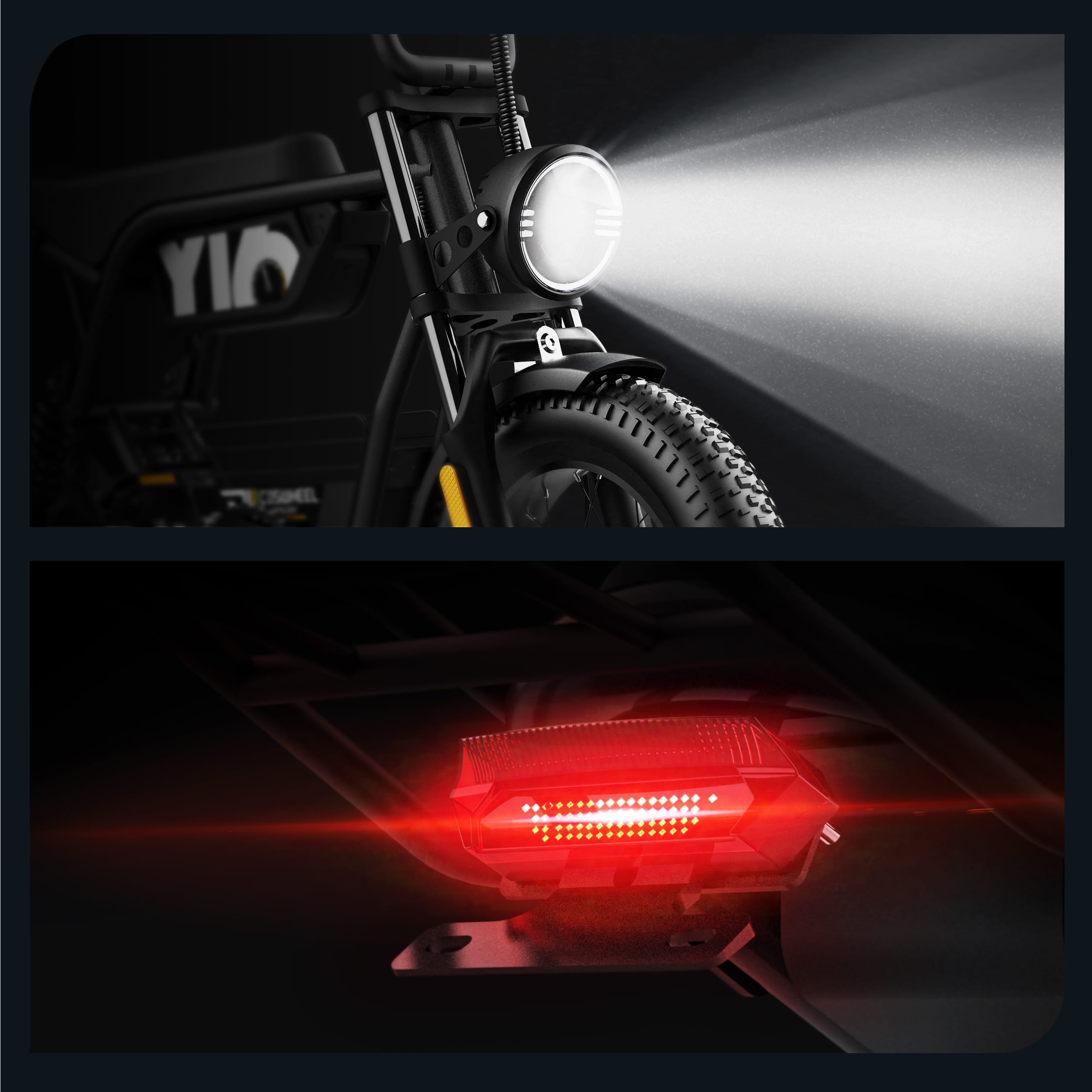
- Before shift: check lights, reflectors, tire tread, and brakes; pack a rain layer and a dry bag for phone/power bank
- During shift: slow corners, brake early, keep extra distance, and skip flooded routes even if the ETA looks good
- Avoid: deep water, fast-flowing runoff, and muddy construction zones that hide potholes
- After shift: wipe down, dry connectors, and do a quick brake check so tomorrow’s shift starts clean
Rental + uptime: how to protect net earnings on storm weeks
Rain and gust weeks are when riders lose money quietly: slow deliveries, extra detours, and sudden mechanical issues. The fix is to reduce “unplanned downtime.” If you’re renting, that means using the support path early and not riding through conditions that can damage the unit.
If you’re deciding between rental versus rent-to-own, storm weeks are also a reality check: predictable maintenance support and a clear battery routine can matter more than headline pricing when the weather turns.
- Run in dense zones when it’s wet: fewer dead kilometers, more controlled riding
- Don’t gamble with water exposure: one flooded component can end a shift
- If a bike feels unsafe (brakes, tires, lights), pause and fix first
- Use your rental/support channel early instead of waiting for a full failure
FAQ
Is Domeng expected to hit Metro Manila directly?
PAGASA’s May 27, 2026 advisory noted the system is less likely to make landfall, and it was still outside PAR at that time. For Metro Manila riders, the practical approach is to monitor updated PAGASA advisories and plan around rain timing, gusts, and flood risk instead of assuming a direct hit.
What is the fastest way to decide if I should ride today?
Use a safety-first threshold: if visibility is poor, your route has flood-prone low points, or traction feels unreliable, pausing is usually the correct decision. A single crash or water-damage incident can erase multiple good shifts.
What should I never do on an e-bike during heavy rain?
Avoid riding through deep water, fast-flowing runoff, and muddy construction corridors where potholes are hidden. Treat unknown flooded stretches as a hard stop, not a challenge.
If I’m renting, what’s the best support habit during storm weeks?
Report early: brakes, lights, tire issues, and any water exposure risk should be raised before they become a full shift-ending failure. Plan your route to avoid deep water, and keep charging dry and ventilated.
Related rider pages
Use these core pages to compare rental, rent-to-own, service area, and booking details after reading this guide.