PAGASA heat index “danger” (May 13, 2026): delivery rider playbook for Metro Manila
PAGASA’s May 13, 2026 heat index forecast flags “danger” conditions in multiple areas. Here’s a rider-first playbook for Metro Manila: how to schedule shifts, hydrate, protect battery health, and keep earnings stable on extreme-heat days.
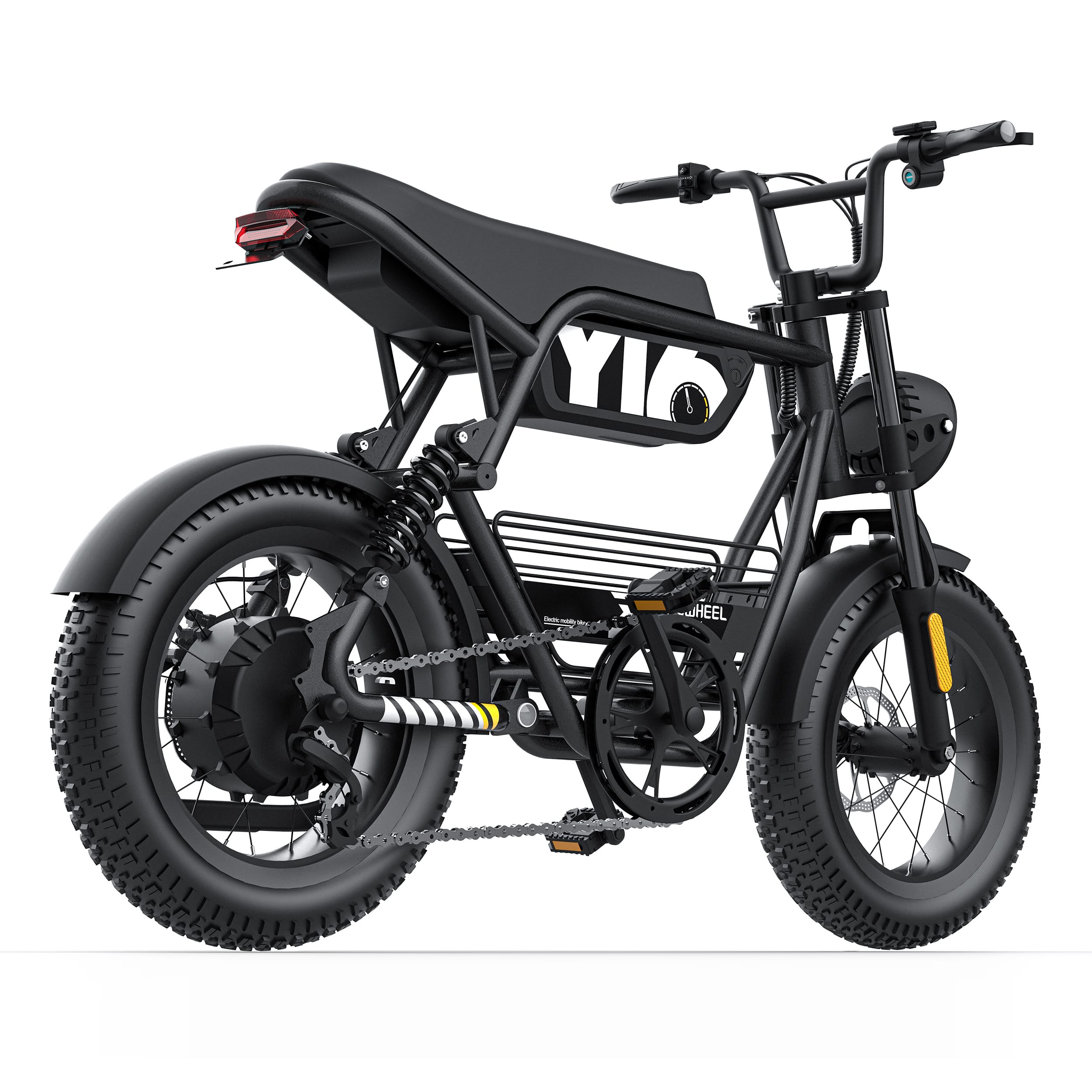
What PAGASA heat index “danger” means for riders
PAGASA’s heat index forecast is a practical rider signal: it describes how hot it feels when humidity is included. When the forecast hits the “danger” range, you should assume you’ll fatigue faster, sweat more, and need more recovery time—even if your route distance is the same.
For Metro Manila delivery work, the risk is not just discomfort. Heat reduces speed, increases decision errors (especially in traffic), and can turn a normal day into a low-net-earnings day because you take more time to complete the same number of bookings.
- Heat index is “feels like” temperature, not just air temperature
- Higher heat index = more breaks needed for the same workload
- A hot day plan protects both safety and earnings
Shift scheduling: treat peak heat as a high-friction window
On “danger” days, plan your work like an operator: stack your stronger blocks earlier and later, and protect the middle. If you can, start earlier, take a longer midday recovery, then return for late afternoon and evening demand.
If you must ride through peak heat, reduce intensity: pick shaded routes, avoid long stop-and-go traffic where you bake in place, and set a hard rule for rest breaks so you don’t drift into heat exhaustion without noticing.
- Early block: build bookings while your body is fresh
- Midday: shade + water + slow cadence (or longer break)
- Late block: return when it is more manageable
Hydration and rest: keep it simple and consistent
The Department of Health has repeatedly reminded the public to stay hydrated during hot weather, limit sugary drinks, and pay attention to heat index forecasts. For riders, that translates into one rule: don’t wait until you are thirsty to drink water.
Workplace heat guidance from health and safety agencies is consistent: water, rest, and shade reduce heat illness risk. Treat this like a workflow—not a motivational reminder—because riders who skip breaks often end up losing more time later from fatigue, cramps, or headaches.
- Carry water and drink regularly before you feel “behind”
- Use shade breaks as a system (timer), not only when you feel bad
- If you feel dizzy, confused, or unusually weak: stop and cool down immediately
E-bike battery care on hot days: prevent heat stacking
Extreme heat hits your body and your equipment. Batteries and electronics also suffer when they sit in direct sun, and heat can “stack” when you ride hard, then immediately charge in a warm environment.
The practical rule is to cool first, charge second. Park in shade, give the bike time to drop temperature, and avoid charging right after a hot shift if the battery case feels very warm. This protects uptime, which is the real rider priority.
- Avoid leaving the bike parked in direct sun for long periods
- Let the battery cool before charging after a hot ride
- Prefer covered storage/charging spots during extreme heat days
Hot-day ops checklist (Metro Manila delivery riders)
Use this checklist as your daily reset. The goal is not perfection—it is consistency. Riders who can keep a stable routine on heat index “danger” days are the ones who protect net earnings across the week.
If you are comparing e-bike rental versus buying right now, evaluate the support path too. Predictable routines are easier when you have a clear service and support workflow, not just a bike unit.
- Plan your shift blocks: early + late; protect midday
- Bring water; choose shade stops you can repeat
- Reduce speed in heat + traffic; avoid risky shortcuts
- After shift: cool down bike and battery before charging
- If you feel heat illness signs: stop, cool, rehydrate, and don’t “push through”
FAQ
Where can I check the heat index for Metro Manila today?
Use the official PAGASA heat index page and look for Metro Manila / nearby station entries. Treat “danger” as a signal to plan more breaks and a safer shift schedule.
What is the simplest hydration routine for delivery riders on hot days?
Drink water regularly before you feel thirsty, schedule shade breaks, and avoid relying on sugary drinks. If you feel dizziness or unusual weakness, stop and cool down immediately.
Is it okay to charge an e-bike battery right after a hot shift?
If the battery case feels very warm, let it cool down in a shaded, ventilated place first. Cooling before charging helps avoid stacking heat on top of an already hot ride.
Should I change my delivery schedule when the heat index is “danger”?
Yes if you can. Many riders do better by working earlier and later, then taking a longer midday recovery. It reduces fatigue and usually protects net earnings over the week.
Related rider pages
Use these core pages to compare rental, rent-to-own, service area, and booking details after reading this guide.