E-bike battery fire prevention: charging + storage checklist for delivery riders (Metro Manila 2026)
Lithium-ion batteries can overheat or catch fire when damaged, mismatched with chargers, or exposed to water and debris. Use this rider-first checklist to charge and store your e-bike safer in Metro Manila—and know what to ask before you rent or buy.
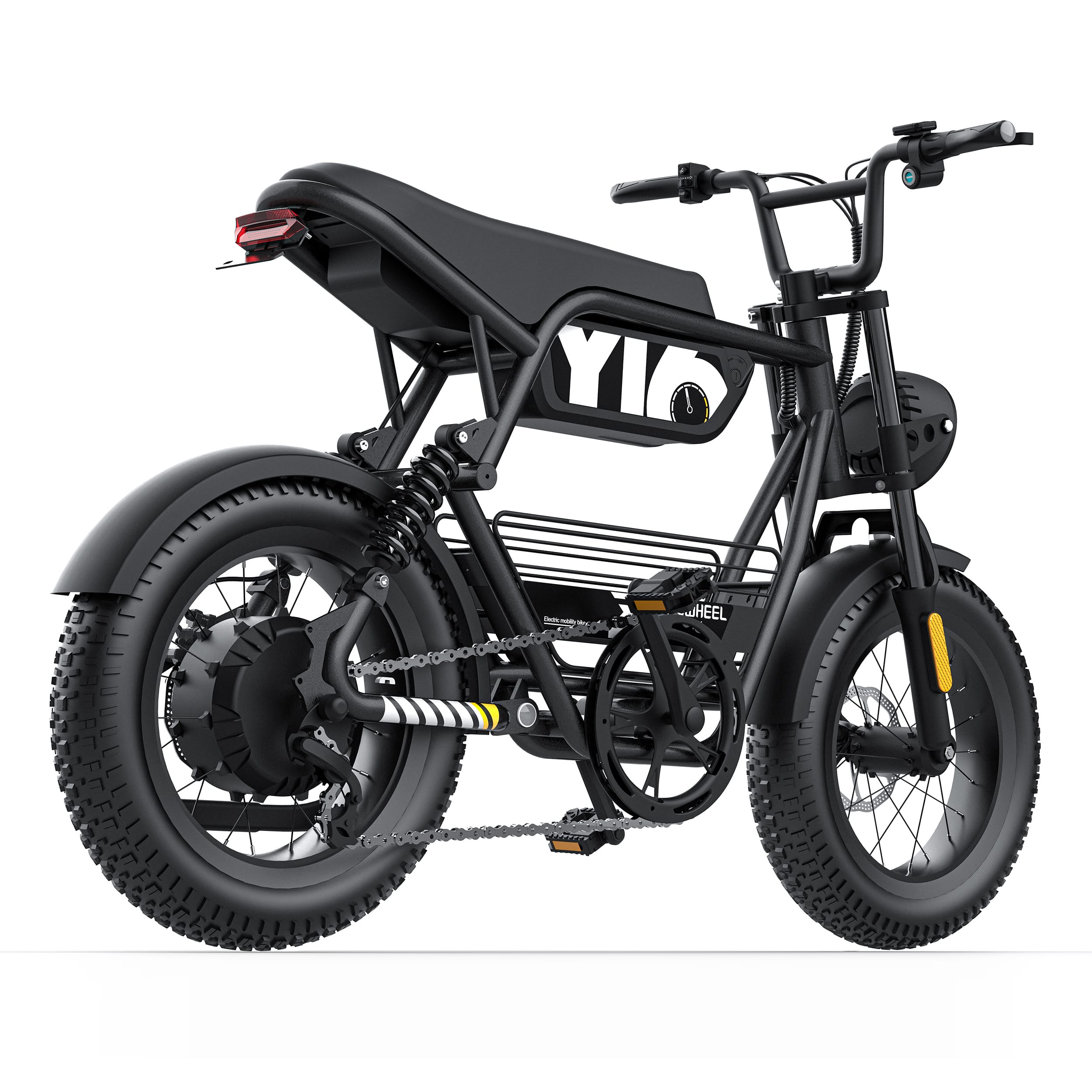
Why battery safety is a delivery rider income issue (not just a safety issue)
Delivery riders in Metro Manila spend hours outside, then usually charge indoors—at home, in a boarding house, or in a small work corner. That tight loop means battery health is directly tied to daily earnings: one bad charging habit can turn into days of downtime or a costly replacement.
Authoritative safety guidance repeatedly points to the same failure patterns: damaged or defective batteries, mismatched chargers, charging after full, and unsafe storage/charging locations. Rider ops gets better when charging becomes a routine, not an afterthought.
- Battery issues can stop your shift even if the motor still works
- Charging indoors makes location + setup choices matter more
- A safer routine is usually cheap: it’s mostly habits and inspection
A safer charging routine you can actually follow between shifts
Use a simple rule: if the charger and battery were not designed for each other, do not try to “make it work.” Fire safety guidance recommends using only the battery and charger that came with the device (or the exact manufacturer-approved replacement), following manufacturer instructions, and avoiding continued charging once the battery is full.
Charging environment matters too. Guidance recommends keeping batteries at room temperature when possible, not charging in extreme heat, and storing devices and batteries away from exit doors and anything that can ignite. For riders, the practical move is to pick one consistent charging spot that stays cooler and doesn’t block your path out.
- Use the correct charger + battery pairing (no improvising adapters)
- Do not keep charging after it is fully charged
- Charge one battery at a time to avoid overloading a circuit
- Keep charging in a cooler spot, not in direct sun or a hot room
- Store the bike and battery away from exit doors and flammables
After rain/flood/water exposure: treat it like a battery inspection event
In Metro Manila, wet roads and sudden rain are normal. But water and debris are not “normal” for the battery system. A major safety warning from a consumer safety regulator described battery fire hazards that can be worse when battery components have been exposed to water and debris.
For riders, the safe operational posture is: if the battery, harness, ports, or charger got wet (or shows corrosion), stop using it until it is inspected and cleared. This is especially important if the bike was ridden through flooding, parked in a wet area, or stored where water dripped onto the pack.
- If a battery or harness was exposed to water and debris, stop and inspect before the next charge
- Drying the outside is not the same as clearing internal moisture risk
- If corrosion, smell, swelling, or unusual heat appears, treat it as a stop signal
If you rent: what to ask an operator before you take a unit home
Battery safety is partly a rider routine and partly an operator system. Good operators reduce risk by controlling battery sourcing, matching chargers, doing inspection routines, and replacing questionable packs instead of letting them circulate.
Before you rent, ask direct questions. If the answers are vague, that is a real signal: it usually means you will carry the risk (and the downtime cost) if anything goes wrong.
- Do you use manufacturer-approved batteries and chargers for this model?
- What are the stop-use signs you want riders to report immediately?
- What’s the inspection routine and replacement policy for batteries?
- If a battery gets wet or damaged, what is the exact next-step process?
- Where do you recommend charging in a small condo/room setup?
Warning signs and the safest response
Fire safety guidance lists clear “stop use” signals: unusual odor, change in color, excessive heat, change in shape/swelling, leaking, smoking, or a battery that no longer holds charge normally. Riders should not push through those signs to “finish one more shift.”
The practical rider response is: stop using the bike battery, avoid charging it, and move to a controlled support path (operator service, a qualified technician, or proper disposal guidance) instead of experimenting with repairs or charger swaps.
- Stop using the battery if you notice odor, swelling, leaking, smoking, or unusual heat
- Do not keep charging once full, and do not keep charging a battery that looks damaged
- Prefer qualified repair/support rather than DIY battery work
FAQ
What’s the simplest rule for safer e-bike battery charging?
Use only the battery and charger designed for the device, follow the manufacturer instructions, and do not keep charging after the battery is fully charged.
Should I charge an e-bike battery near my door so I can watch it?
Fire safety guidance warns against storing e-bikes and batteries near exit doors. A safer approach is a visible spot that doesn’t block your exit path if something goes wrong.
What if my battery got wet during rain or floodwater?
Treat it as an inspection event. If the battery, harness, ports, or charger were exposed to water and debris, stop using it until it is inspected and cleared—especially before the next charge.
What warning signs mean I should stop using the battery immediately?
Unusual odor, discoloration, too much heat, swelling/change in shape, leaking, smoking, or the battery not holding charge normally are all stop-use signals in fire safety guidance.
How does this change what I should ask before renting?
Ask the operator how they match chargers to batteries, how they inspect and replace packs, and what you should do after water exposure or any damage. Clear answers usually correlate with safer operations and less downtime.
Related rider pages
Use these core pages to compare rental, rent-to-own, service area, and booking details after reading this guide.